
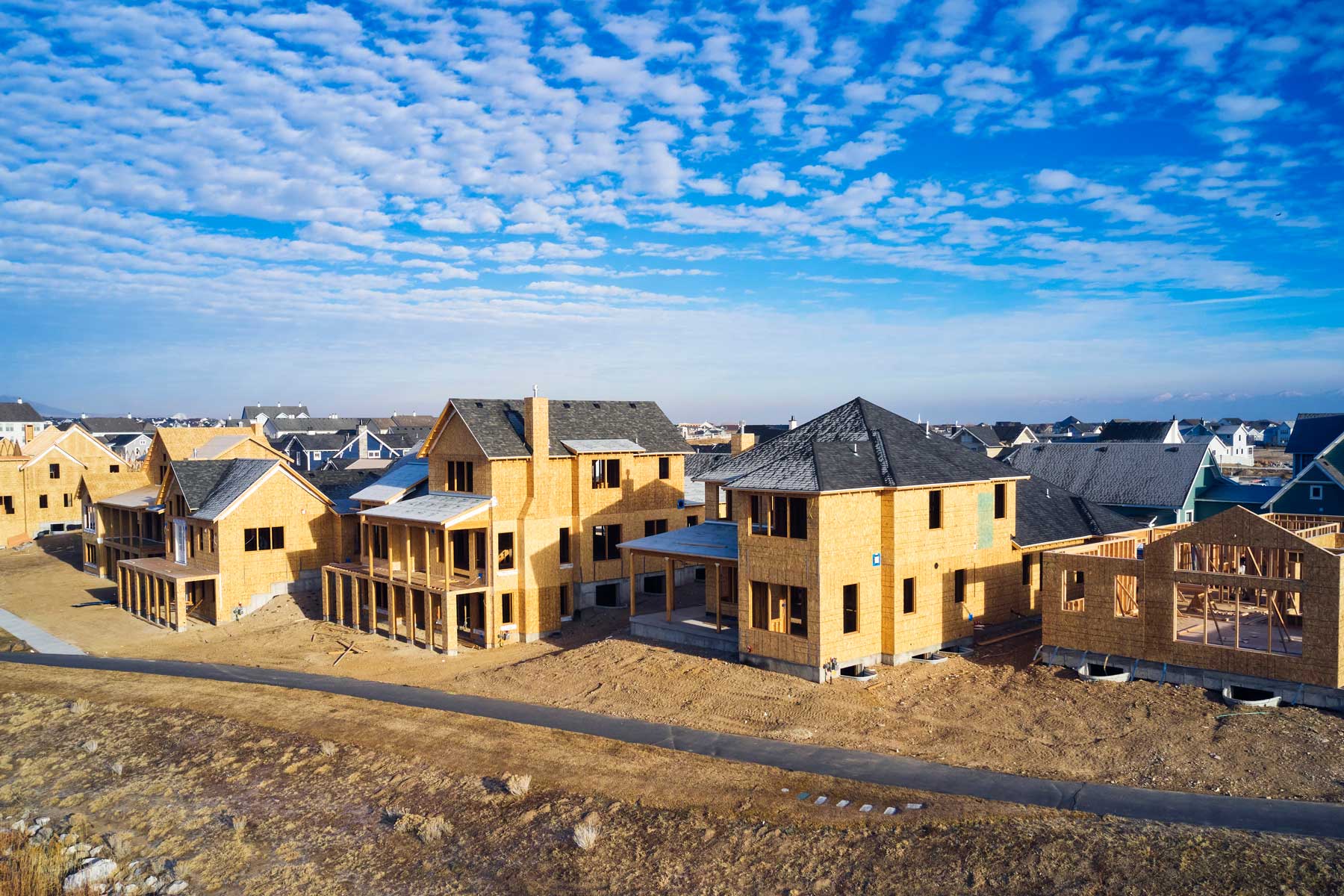
Spring brings a surge in construction and renovation across high-value residential properties. For ultra-high-net-worth families, these projects often involve complex estates, multiple vendors, and meaningful changes to the home. During this period, the risk profile of the property shifts. The home becomes an active worksite, access expands, and exposure increases in ways that are often underestimated.
What is often treated as a construction project should be viewed differently. For UHNW families, renovation is a temporary butmeaningful shift in exposure that requires planning, coordination, andoversight.
The gap is not usually intent. It is structure.
Most projects begin with a focus on design, budget,and timeline. Risk is addressed later, if at all, and often in a fragmented wayacross contractors, advisors, and insurance. By the time issues surface, theability to control outcomes is limited.
A more effective approach starts earlier and treatsconstruction as a managed risk event.
That begins with contractor selection. At this level,the decision is not simply about capability. It is about stability, discipline,and alignment. Financial strength matters. Contractors operating with limitedmargin or liquidity are more likely to cut corners or create delays. Priorexperience with comparable properties is critical. Litigation history andreputation provide useful signals. Transparency in providing insurancedocumentation and references should be expected, not requested.
For larger projects, independent diligence can addclarity. It is often a small step relative to the scale of exposure.
Contracts play a central role in this process. Theyare not administrative documents. They are the mechanism through which risk isallocated.
Scope, pricing, and timelines should be clear, but the more important question is whether responsibility is aligned with the partybest positioned to manage the risk. Insurance requirements, indemnificationprovisions, and change order controls should be reviewed with the same level ofattention as the design plans.
Insurance should be evaluated with the same lens. Theexposure profile of the property changes during renovation, and coverage shouldreflect that reality.
Standard homeowner policies may not fully respond tolosses during construction, particularly if the residence is unoccupied orstructurally altered. Builder’s risk coverage is often necessary. Propertylimits should be revisited to reflect post-renovation value. Excess liabilityshould be evaluated in the context of increased activity and exposure on theproperty.
Alignment matters more than minimum requirements.
Equally important is how access to the property ismanaged. Renovation introduces a rotating workforce into private livingenvironments. That creates both security and privacy considerations that do notexist under normal conditions.
Screening should extend beyond the primary contractorto the broader workforce. Access should be limited to defined areas.Communication should be centralized through a small number of points ofcontact. Household routines and security protocols should not be sharedcasually in day-to-day interactions.
The objective is straightforward. Maintain controlover who has access to the property and what they know about the household.
Worksite conditions require the same level ofattention. When construction occurs within or adjacent to an occupiedresidence, risk increases. Physical separation between work areas and livingareas should be clearly defined. Environmental exposure, particularly in olderhomes, should be addressed through testing and proper containment. Fire andwater risk are often elevated during construction and should be activelymanaged through daily controls and site oversight.
Even with strong planning, oversight remainsessential. Regular site visits, verification of compliance, and activemonitoring of emerging risks provide the structure needed to keep the projectaligned. Issues identified early are manageable. Issues identified late tend to be costly.
Renovation also presents an opportunity. Certain riskmitigation systems are more effectively installed during construction thanafter completion. Water leak detection, automatic water shut-off systems,backup power, and environmental monitoring can materially reduce the likelihoodand severity of future losses.
For properties of this scale, these are notincremental decisions. They are part of a broader approach to preserving theasset over time.
For UHNW families, the goal is not to eliminate risk.It is to anticipate it, structure it, and control it in a way that protectsboth the property and the continuity of the household.
Construction andrenovation will always introduce complexity. With the right approach, thatcomplexity can be managed with intention rather than reaction.
